Fasteners and Finishes Comparing Galvanized and Stainless Steel Options
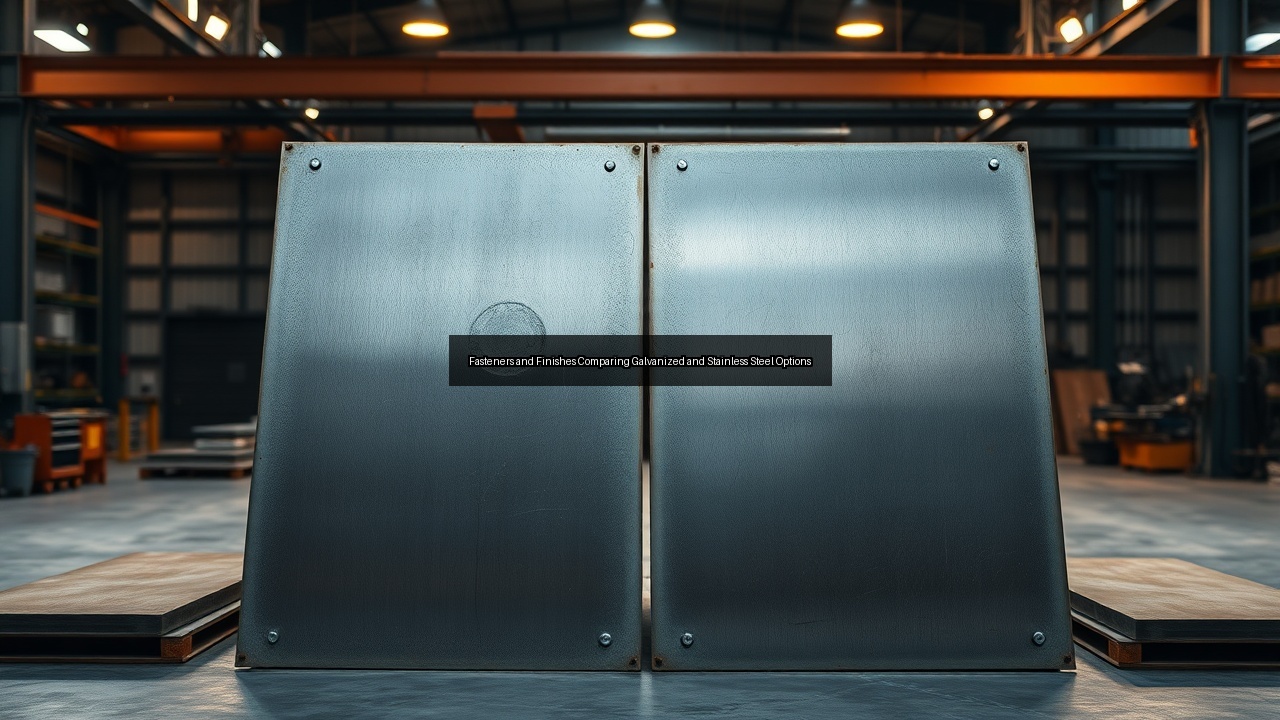
Understanding Galvanized Steel and Stainless Steel
What is Galvanized Steel?
Galvanized steel starts as standard carbon steel that receives a protective zinc coating through hot-dip galvanizing. This process immerses the metal in molten zinc, creating a durable barrier that shields against moisture and oxygen. Fabricators rely on galvanized options for fasteners and sheet metal because the coating extends service life in outdoor and industrial settings. Pros of galvanized steel include lower upfront costs and solid performance against rust in moderately corrosive environments. Workers often choose this finish for guardrails, agricultural equipment, and construction hardware where appearance matters less than longevity. The zinc layer also provides cathodic protection, meaning it corrodes before the base steel does.
What is Stainless Steel?
Stainless steel contains at least 10.5 percent chromium, which forms a self-healing oxide layer that prevents corroding. Manufacturers add nickel, molybdenum, or other elements to enhance strength and resistance in harsh conditions. This alloy suits fasteners, pressure vessels, and precision sheet metal components exposed to chemicals or saltwater. Pros of stainless steel center on its polished appearance and minimal maintenance needs over decades. Engineers specify it for food processing equipment, medical devices, and architectural panels because it resists pitting and staining without additional coatings. Laser cutting stainless steel produces clean edges that require little finishing work.
Key Differences in Composition
Galvanized steel versus stainless steel differs fundamentally in makeup. Galvanized material relies on a zinc surface layer over plain steel, while stainless steel integrates chromium throughout its structure. This distinction affects how each handles welding, forming, and long-term exposure. Galvanized finishes can develop white rust if the zinc depletes, whereas stainless maintains its protective layer even after surface scratches. Fabricators note that stainless offers superior performance in acidic or chloride-rich settings, but galvanized remains practical for general construction where budget constraints apply. Both metals support recycling streams in the metal industry, though their production paths diverge sharply.
Corrosion Resistance: A Critical Comparison
Galvanized Steel: Protection Against Rust
Galvanized steel combats rust through sacrificial zinc action that corrodes preferentially in the presence of electrolytes. This mechanism protects cut edges and drilled holes common in fastener installation and sheet metal fabrication. In rural or urban atmospheres, galvanized parts often last 20 to 50 years before significant degradation occurs. However, the coating wears faster in marine or industrial zones with high sulfur content. Regular inspection helps identify areas where the zinc has thinned, allowing prompt touch-up with zinc-rich paints. Many contractors prefer galvanized fasteners for decking and fencing because the finish delivers reliable rust prevention at competitive prices.
Stainless Steel: Corrosion Resistance Explained
Stainless steel achieves corrosion resistance via its chromium-rich passive film that reforms automatically after minor damage. Grades such as 304 and 316 handle everything from atmospheric exposure to chemical processing without additional finishes. In pressure vessels and marine hardware, stainless fasteners maintain integrity where galvanized options would fail quickly. The alloy resists pitting and crevice corrosion in chloride environments, making it the default choice for coastal infrastructure. Maintenance involves occasional cleaning to remove surface deposits that could trap moisture. Stainless steel versus galvanized steel shows clear advantages in hygiene-critical applications such as pharmaceutical plants.
Factors Influencing Corrosion Performance
Environment, temperature, and mechanical stress all influence how galvanized and stainless steel perform against corrosion. High humidity combined with road salts accelerates zinc loss on galvanized surfaces, while stainless may experience stress corrosion cracking under tensile loads in hot chloride solutions. Proper design reduces risk by avoiding crevices and ensuring drainage. Laser cutting techniques minimize heat-affected zones that could compromise either material’s resistance. Fabricators evaluate pH levels, pollutant concentrations, and expected service life before selecting galvanized versus stainless for specific fasteners and finishes. Regular monitoring extends performance in demanding metal industry applications.
Mechanical Properties and Performance
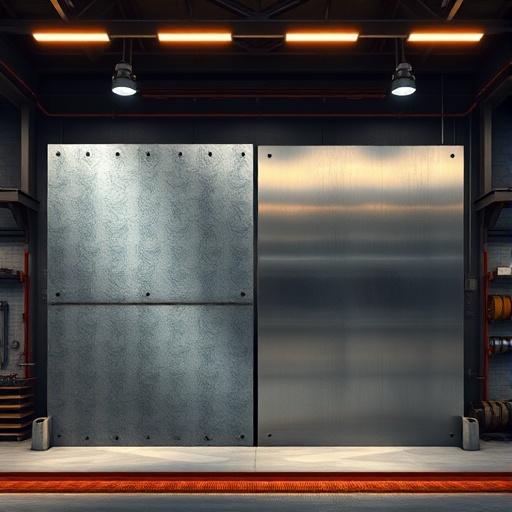
Weldability of Galvanized vs Stainless Steel
Galvanized steel demands careful weld preparation to avoid zinc fumes that irritate workers and weaken joints. Welders often grind away the coating near seams or use ventilation systems during fabrication of sheet metal assemblies. Stainless steel welds more cleanly but requires precise heat control to prevent carbide precipitation that reduces corrosion resistance. Both materials benefit from filler metals matched to base composition. Fastener producers test weldability to ensure structural integrity in brackets and frames. Galvanized versus stainless decisions often hinge on whether the project allows post-weld coating restoration or demands inherent alloy protection.
Strength and Durability in Applications
Both steels deliver high tensile strength, yet stainless grades generally retain ductility better after cold working. Galvanized fasteners withstand impact loads in construction but may lose coating integrity under repeated flexing. Stainless steel plates excel in pressure vessels where cyclic loading and corrosion act together. Durability also depends on thickness and forming methods; thicker galvanized sections compensate for eventual zinc depletion. Engineers compare yield points and elongation values when specifying materials for bridges, tanks, and heavy equipment. Proper selection balances mechanical demands against environmental risks.
Impact on Fasteners and Sheet Metal Usage
Fastener performance changes noticeably between galvanized and stainless options. Galvanized bolts and screws provide economical holding power for timber and steel framing, while stainless versions prevent staining on visible architectural surfaces. Sheet metal fabricators favor stainless for laser-cut panels that remain bright after years outdoors. Galvanized sheet metal works well for ductwork and enclosures where cost savings matter more than appearance. Mixed-metal contacts require isolation to avoid galvanic corrosion, especially in moist conditions. Industry standards guide material choices for roofing, cladding, and structural connections.
Sustainability and Environmental Considerations
The Steel Production Process: Carbon Footprint
Steel production generates significant carbon emissions through blast furnace operations and energy-intensive rolling. Galvanized steel adds the galvanizing step, which consumes natural gas or electricity for zinc melting. Stainless steel production requires more alloying elements and higher refining temperatures, increasing its overall carbon intensity per ton. Manufacturers track emissions across mining, smelting, and finishing stages to meet tightening regulations. Recycled content lowers the footprint for both materials, though stainless often incorporates higher percentages of scrap. Projects seeking green certifications evaluate these impacts when comparing galvanized steel versus stainless steel.
Sustainability of Galvanization
Galvanization extends product life and reduces replacement frequency, improving sustainability metrics. Zinc coatings come from abundant ores and can be reapplied on existing structures. Hot-dip plants now operate closed-loop systems that recover zinc and minimize wastewater. This finish supports circular practices by allowing steel to be recycled after coating removal. In construction, galvanized fasteners and sheet metal lower lifetime resource consumption compared with frequent repainting of unprotected steel. Environmental assessments credit galvanizing for preventing premature corrosion failures that waste raw materials.
Recyclability of Stainless Steel
Stainless steel achieves near-perfect recyclability because its alloying elements retain value through multiple melting cycles. Scrap yards sort grades to preserve nickel and chromium content, reducing mining demand. This closed-loop capability strengthens the metal industry’s sustainability profile. Buildings demolished after decades return large quantities of stainless fasteners and panels to production streams. Unlike coated products that require extra processing, stainless enters furnaces directly. Lifecycle analyses consistently rank stainless favorably when long service intervals and end-of-life recovery are considered.
Cost Analysis and Market Trends
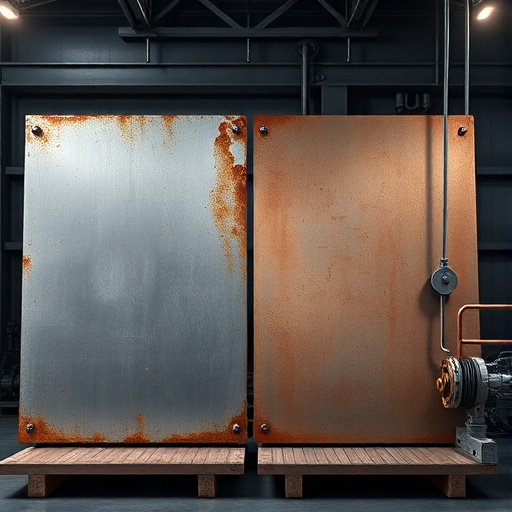
Prices of Galvanized Steel vs Stainless Steel
Galvanized steel prices remain lower per kilogram because the base material and coating process cost less than stainless alloying. Stainless steel commands premiums driven by nickel market volatility and specialized melting requirements. Fabricators calculate total installed cost, including labor for welding and finishing, before deciding between options. Galvanized fasteners often win on initial budget for large infrastructure jobs, while stainless justifies higher prices in corrosive or visible locations. Price fluctuations track global steel production volumes and raw material availability. Buyers monitor indices to time purchases of sheet metal and hardware.
Market Demand in the Metal Industry
Demand for galvanized products stays strong in construction and agriculture where rust protection at moderate cost drives volume. Stainless steel sees rising use in renewable energy equipment, food processing, and transportation components that require hygiene and durability. The metal industry reports steady growth in both segments as infrastructure ages and new projects specify longer service lives. Regional preferences influence choices; coastal markets favor stainless fasteners, while inland regions lean toward galvanized sheet metal. Supply chains adapt by stocking both finishes to meet varied project specifications.
Future Trends in Fasteners and Finishes
Future fastener and finish innovations focus on hybrid coatings and advanced stainless grades that reduce material thickness without sacrificing performance. Laser cutting and automated welding improve precision for both galvanized and stainless components. Sustainability pressures encourage zinc recovery improvements and higher recycled content in stainless production. Market analysts predict continued competition between galvanized steel versus stainless steel as designers balance cost, corrosion resistance, and environmental goals. Emerging regulations on carbon emissions may favor longer-lasting stainless options in some sectors while galvanized remains economical for shorter service cycles.