Gel Supplements and the Role of Contract Manufacturers in Their Production
Understanding Gel Supplements
What Are Gel Supplements?
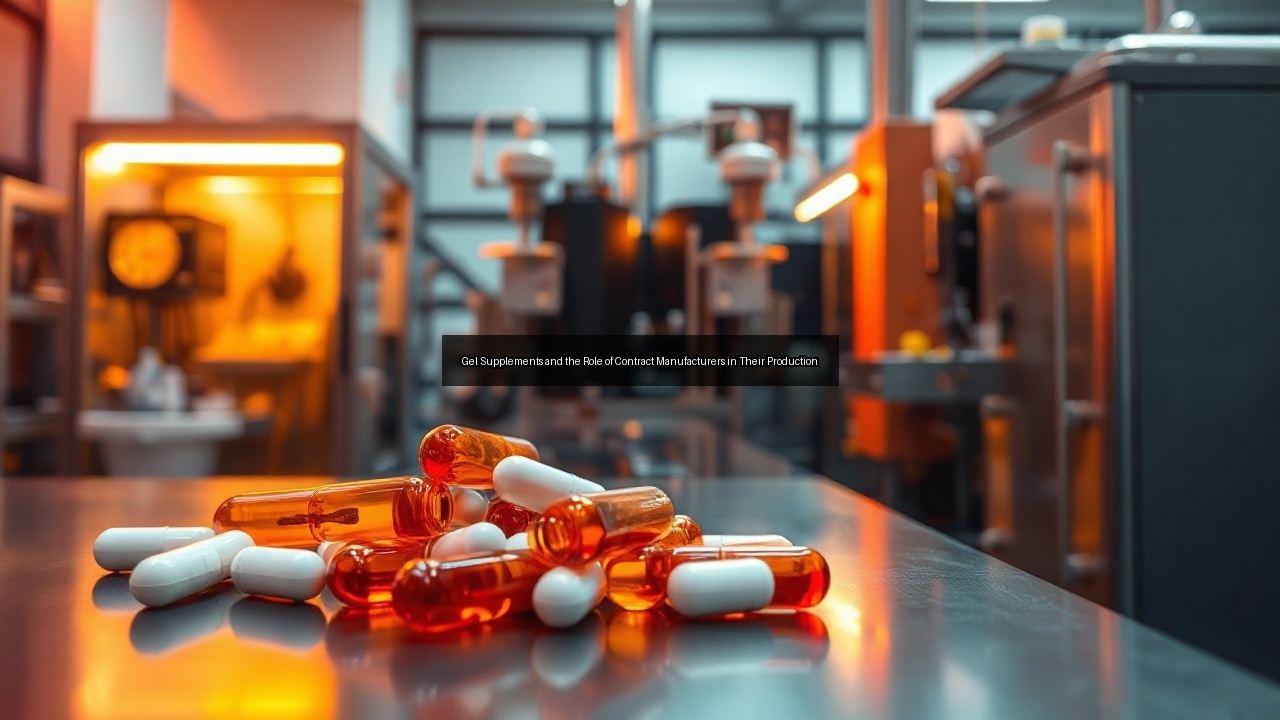
Gel supplements deliver active ingredients in a soft, flexible capsule that dissolves quickly in the digestive tract. Manufacturers fill these shells with oils, suspensions, or liquid extracts that traditional tablets cannot accommodate easily. Consumers absorb nutrients faster because the gel matrix breaks down without the compression binders found in pills. A contract supplement manufacturer often produces these forms at scale while maintaining precise fill weights and seal integrity. Gel formats also mask unpleasant flavors that powders or hard tablets leave behind. Production lines run specialized encapsulation equipment to handle both oil-based and water-soluble formulas without leakage.
Benefits of Gel Supplements Over Traditional Forms
Gel supplements outperform tablets and capsules in bioavailability and user compliance. The soft shell protects sensitive ingredients from oxidation and light exposure during storage. Consumers report fewer digestive complaints because the gel requires less mechanical breakdown. Inventory management improves when manufacturers ship lighter, more compact units that occupy less warehouse space. Contract manufacturers streamline this process by offering turnkey formulation, encapsulation, and bottling under one roof. Gel products also allow higher doses of fat-soluble vitamins without the bulk that multiple tablets would demand. Athletes and busy professionals favor them for rapid absorption before or after workouts.
Popular Types of Gel Supplements
Omega-3 fish oils, vitamin D, and coenzyme Q10 dominate the gel supplement market. Manufacturers also produce multivitamin gels that combine several micronutrients in a single serving. CBD and herbal extracts appear in newer gel lines that target sleep and stress support. Contract supplement manufacturer facilities customize these formulas with added antioxidants or flavor systems. Probiotic gels use enteric coatings to protect live cultures until they reach the intestines. Beauty-focused gels deliver collagen peptides and hyaluronic acid in high concentrations that tablets struggle to match. Seasonal demand spikes for immune-support gels containing zinc and elderberry extracts.
The Role of Contract Manufacturers in Gel Supplement Production
What is a Contract Supplement Manufacturer?
A contract supplement manufacturer produces finished goods for brands that lack their own factories. These partners handle raw material sourcing, formulation development, encapsulation, and packaging under strict quality controls. Clients retain ownership of the formula while the manufacturer manages production schedules and regulatory documentation. Many contract supplement manufacturing operations maintain dedicated gel lines that run continuously to meet high-volume orders. They invest in specialized equipment for soft-gel encapsulation that smaller brands cannot afford individually. The arrangement lets supplement companies focus on marketing and distribution instead of capital equipment.
Why Choose a Contract Manufacturer for Gel Supplements?
Contract manufacturers reduce upfront capital costs and accelerate time to market. Brands avoid building cleanrooms or hiring specialized technicians for gel production. Manufacturers already hold necessary certifications and maintain validated processes that satisfy auditors. Inventory levels stay lean because contract partners produce batches on demand rather than forcing large minimum orders. A contract supplement manufacturer also offers formulation support that improves stability and shelf life. Companies gain access to advanced encapsulation technology without investing in research and development infrastructure.
Key Services Offered by Contract Manufacturers
Full-service contract manufacturers provide ingredient sourcing, analytical testing, and stability studies alongside production. They manage label compliance and help navigate international registration requirements. Many facilities offer custom gel shapes and colors that differentiate products on retail shelves. Contract supplement manufacturing teams coordinate logistics so finished goods arrive ready for e-commerce fulfillment. Additional services include blister packaging, promotional bundling, and serialization for traceability. Manufacturers track raw material lots through every stage to support rapid recalls if needed.
Quality Control in Gel Supplement Manufacturing
Importance of Quality Controls in Supplements
Quality controls protect consumers from contaminants and ensure label claims match actual content. Gel supplements require extra scrutiny because oils can oxidize and active ingredients may migrate through the shell. Manufacturers test incoming raw materials for heavy metals, microbes, and potency before production begins. In-process checks verify fill weight, seam strength, and dissolution rates at regular intervals. Contract supplement manufacturer protocols include finished-product assays that confirm each batch meets specification. Robust quality systems reduce liability and build long-term brand trust with retailers and end users.
How Manufacturers Ensure Quality in Gel Production
Manufacturers install environmental monitoring systems that track temperature, humidity, and particulate levels in gel encapsulation rooms. Automated vision systems inspect every capsule for defects such as leaks or air bubbles. Stability chambers subject samples to accelerated aging so manufacturers predict real-world shelf life accurately. Contract supplement manufacturing partners document every deviation and conduct root-cause analysis before releasing a batch. Third-party laboratories perform independent verification of potency and purity when brands request additional reassurance. These layered controls maintain consistency across multiple production runs.
Regulatory Standards for Gel Supplements
Gel supplement production follows current Good Manufacturing Practices enforced by the FDA and equivalent bodies worldwide. Manufacturers document every step from receipt of ingredients through distribution. Contract supplement manufacturer facilities undergo regular audits that examine sanitation, equipment calibration, and employee training records. International markets impose additional requirements for allergen labeling and maximum residue limits. Compliance teams maintain updated dossiers that support product registrations in multiple countries. Transparent documentation helps brands demonstrate due diligence during retailer or customs inspections.
Sustainability in Supplement Manufacturing
Eco-Friendly Practices in Gel Supplement Production
Manufacturers reduce waste by recovering and reusing gelatin or plant-based shell material during changeovers. Water recycling systems treat and return process water to the gelatin melting stage. Energy-efficient encapsulation machines lower electricity consumption while maintaining output. Contract supplement manufacturer sites install solar arrays and LED lighting to cut carbon emissions. Packaging teams switch to recycled paperboard and biodegradable desiccants that protect gels without plastic waste. These measures lower operating costs and appeal to environmentally conscious consumers.
Sustainable Sourcing of Ingredients
Manufacturers trace fish oils to certified sustainable fisheries that prevent overharvesting. Plant-based gels rely on ingredients grown without synthetic pesticides or excessive irrigation. Contract supplement manufacturing programs audit suppliers for fair labor practices and deforestation-free supply chains. Regenerative agriculture projects for herbs and botanicals improve soil health while securing future raw material availability. Transparent sourcing reports help brands market their sustainability credentials with verifiable data. Long-term supplier partnerships stabilize pricing and quality for gel ingredients.
The Future of Sustainability in Contract Manufacturing
Contract manufacturers continue to pilot bio-based shell materials that eliminate animal-derived gelatin. Closed-loop systems capture and reuse solvents from cleaning processes. Advanced inventory software minimizes overproduction by aligning output precisely with demand forecasts. Manufacturers explore carbon-neutral shipping options that reduce the environmental footprint of finished goods. Collaboration with brands on refill programs cuts single-use packaging waste. These innovations position contract supplement manufacturer operations as leaders in responsible production practices.
Exploring Innovative Dosage Forms in Supplements
Effervescent Tablets vs. Gel Supplements: A Comparison
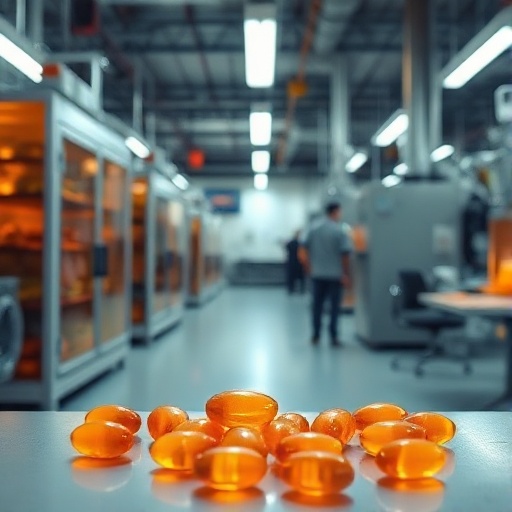
Effervescent tablets dissolve in water to create a flavored drink that delivers rapid absorption similar to gels. However, gels require no preparation and travel more conveniently without risk of moisture exposure. Contract manufacturers produce both dosage forms on parallel lines to serve different consumer preferences. Effervescent versions often need larger packaging to accommodate the reaction space, while gels fit into compact bottles. Stability differs because effervescent blends react with humidity over time. Gel supplements maintain integrity longer in varied storage conditions.
The Science Behind Effective Dosage Forms
Effective dosage forms optimize the release profile of active ingredients for maximum absorption. Gel matrices protect compounds from stomach acid and deliver them directly to the small intestine. Sciences behind ODT technology allow quick dissolution on the tongue for consumers who dislike swallowing capsules. Manufacturers engineer gel viscosity and shell thickness to control release rates for sustained or immediate effects. Contract supplement manufacturer teams validate these parameters through dissolution testing and pharmacokinetic studies. Precise control over particle size and excipient selection enhances bioavailability across different nutrient categories.
Trends in Supplement Dosage Forms
Consumers demand dosage forms that fit busy lifestyles without sacrificing efficacy. Gel supplements continue to grow because they accommodate high-dose oils and sensitive botanicals. Manufacturers introduce hybrid formats that combine gel technology with ODT layers for dual release. Sustainability drives interest in plant-based shells and reduced-plastic packaging. Contract supplement manufacturing partners invest in modular equipment that switches between traditional gels and emerging formats quickly. Data analytics help predict which dosage forms will dominate future market segments based on purchasing patterns and clinical feedback.
See Also
- Future Trends in Contract Supplement Manufacturing You Can't Afford to Miss
- The Science Behind Choosing the Right Contract Supplement Manufacturer
- Exploring Innovative Dosage Forms with Contract Supplement Manufacturers
- From Concept to Reality How Contract Supplement Manufacturers Bring Ideas to Life