A Comprehensive Guide to Understanding Industrial Lubricants
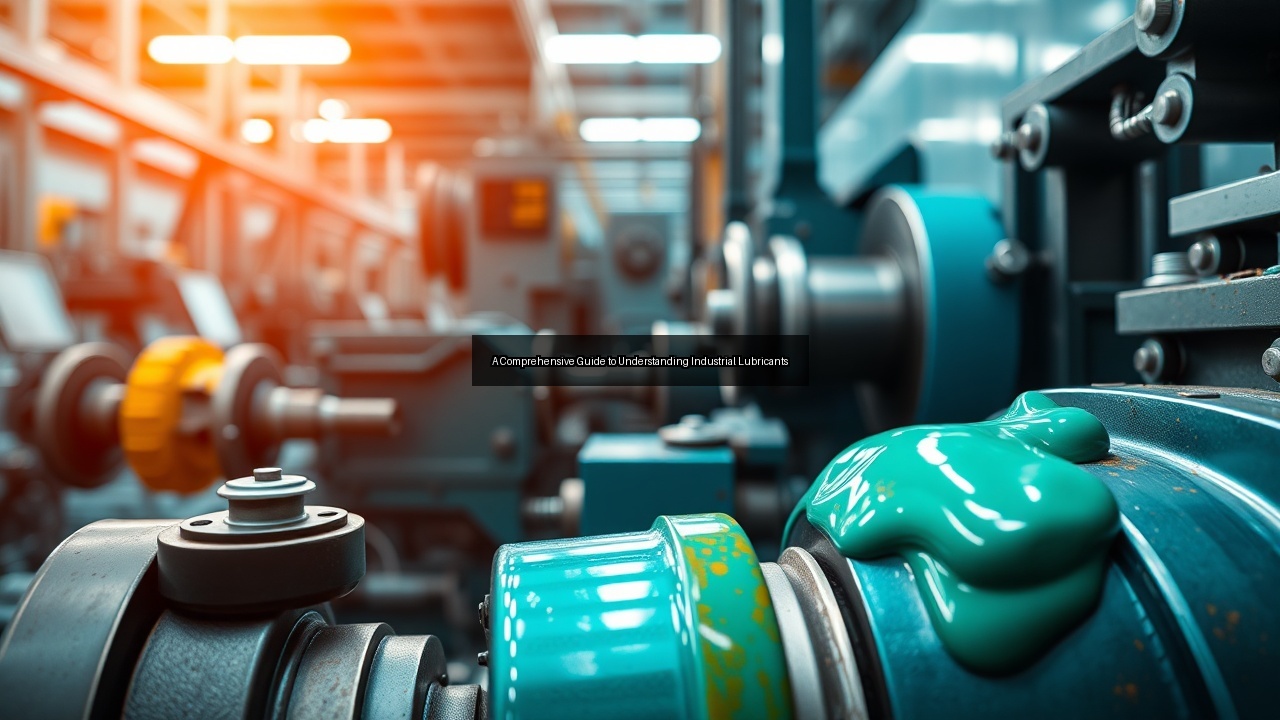
Understanding Industrial Lubricants
What Are Industrial Lubricants?
Industrial lubricants play a crucial role in the performance and longevity of machinery across various sectors. These specialized substances minimize friction and wear between moving parts, ensuring smooth operation. Composed of base oils and additives, industrial lubrication grease acts as a protective barrier, preventing metal-to-metal contact. The right lubricant enhances machine efficiency, reduces energy consumption, and extends maintenance intervals, ultimately contributing to lower operational costs. Understanding the specific needs of machinery helps determine the appropriate industrial lubricant, whether it be oil or grease, tailored to the working conditions and load requirements.
The Role of Greasing in Machinery
Greasing serves an essential function in machinery maintenance, acting as both a lubricant and a sealant. By reducing friction, grease minimizes wear on components, enhancing their lifespan. Greases also provide protection against contaminants, such as dust and moisture, which can lead to corrosion and operational failures. Regular greasing schedules are vital for ensuring that machines operate at optimal performance. Skipping this critical maintenance step can result in increased downtime and costly repairs. Industrial lubrication grease not only improves efficiency but also helps maintain the integrity of machinery, making it an indispensable part of any manufacturing operation.
Types of Industrial Lubricants
Industrial lubricants come in various forms, each designed for specific applications. The two primary categories are oils and greases. Oils typically provide a thinner film of lubrication, making them suitable for high-speed applications. Conversely, greases offer better adhesion and protection in situations where a thicker lubricant is necessary. Within these categories, various formulations exist, including synthetic and mineral-based lubricants. Synthetic lubricants provide superior performance in extreme conditions, while mineral-based options are often more cost-effective. Understanding these types helps industries select the right industrial lubricant for their specific needs, optimizing machinery performance and safety.
The Science Behind Greases and Lubrication
Composition of Lubricants Greases
Lubricants greases consist of a base oil thickened with a soap or other thickening agent. The base oil provides the primary lubrication, while the thickener gives the grease its consistency and stability. Various additives enhance performance, including anti-wear agents, rust inhibitors, and antioxidants. These components work together to ensure that the grease remains effective under different temperatures and pressures. The formulation of industrial lubrication grease can significantly impact its performance. For instance, greases designed for high-load applications contain specific additives that provide extra protection against wear and tear, making them ideal for heavy machinery and equipment.
How Lubricating Grease Reduces Friction
Lubricating grease reduces friction by forming a protective film between moving surfaces, effectively lowering the contact area. This film minimizes direct metal-to-metal contact, which is a primary source of wear. By maintaining an optimal lubrication layer, grease allows for smoother motion and reduces the energy needed for operation. Furthermore, the consistency of grease ensures it stays in place even under heavy loads, providing continuous protection. This attribute is especially important in applications where vibration or shock loads are present. The effectiveness of industrial greases in friction reduction translates directly to increased equipment efficiency and longevity.
The Importance of Viscosity in Grease Selection
Viscosity plays a critical role in grease performance, influencing how well the lubricant can reduce friction and protect machinery. Grease viscosity affects how easily it flows and adheres to surfaces. Selecting the right viscosity ensures that the grease can withstand operating temperatures and pressures encountered in specific applications. Greases with lower viscosity flow easily, making them suitable for high-speed applications, while higher viscosity greases provide better protection under heavy loads. Understanding the viscosity requirements of specific machinery helps in choosing the appropriate industrial lubrication grease, optimizing both performance and reliability.
Applications and Benefits of Industrial Greases
Common Industries Using Industrial Lubricants
Industrial lubricants find applications across a wide range of industries, from manufacturing and automotive to aerospace and food processing. Each sector has unique lubrication requirements based on the machinery and operational conditions. For example, the automotive industry relies heavily on greases to ensure the smooth functioning of engines, gears, and bearings. In manufacturing, equipment such as conveyors and hydraulic systems requires specialized lubricants to maintain efficiency and prevent breakdowns. The food processing industry mandates the use of food-grade greases that meet strict safety regulations while ensuring optimal performance. Understanding these industry-specific needs allows manufacturers to select appropriate industrial lubricants that enhance productivity and safety.
Advantages of Using High-Quality Grease
Investing in high-quality industrial grease yields numerous advantages. Premium greases often contain superior additives that enhance performance, providing better protection against wear, corrosion, and thermal breakdown. This results in extended equipment lifespans and reduced maintenance costs. High-quality greases also perform better under extreme temperatures and loads, ensuring reliable operation in demanding conditions. Furthermore, using top-tier lubricants can improve energy efficiency, leading to lower operational costs. Businesses that prioritize quality in their lubrication solutions often experience enhanced productivity and fewer unexpected downtimes, which ultimately contributes to a more profitable operation.
Environmental Considerations in Lubrication
Environmental concerns are increasingly shaping the landscape of industrial lubrication. The choice of industrial lubricants can significantly impact soil and water quality, particularly if spills or leaks occur. Many manufacturers now prioritize environmentally-friendly lubricants that adhere to sustainability standards. Biodegradable greases, for instance, offer a viable alternative, breaking down naturally without harming ecosystems. Additionally, using lubricants that minimize resource consumption aligns with corporate social responsibility goals. By selecting environmentally conscious industrial lubrication grease, businesses can reduce their ecological footprint while maintaining efficient operations, contributing to a cleaner and more sustainable future.
Choosing the Right Grease for Your Needs
Factors Influencing Grease Selection
Choosing the right grease for specific applications involves considering several factors. Operating conditions, such as temperature, pressure, and exposure to contaminants, significantly influence grease performance. The type of machinery also plays a vital role; for instance, high-speed equipment may require different grease than heavy-load applications. Furthermore, the compatibility of greases with existing lubricants must be assessed to avoid adverse reactions. Manufacturers should also consider the longevity of the grease, as some formulations last longer than others. Evaluating these factors ensures that the selected industrial lubrication grease meets all operational requirements effectively.
Understanding Grease Performance Ratings
Grease performance ratings provide essential information for selecting suitable lubricants. These ratings typically include factors such as NLGI grade, which measures consistency. A higher NLGI grade indicates a thicker grease, which may be more suitable for heavy-load applications. Other performance indicators, like dropping point and wear protection ratings, further guide the selection process. Understanding these ratings helps manufacturers choose greases that will perform optimally under specific conditions, ensuring machinery operates efficiently and effectively. Familiarity with grease performance ratings allows for informed decisions that enhance equipment reliability and reduce maintenance needs.
Using Mechanical Lubricators Effectively
Mechanical lubricators play a vital role in delivering grease to critical lubrication points. Proper use of these devices ensures consistent and accurate application, reducing the risk of under- or over-lubrication. Manufacturers should select lubricators that match the machinery requirements and operational environment. Regular maintenance of mechanical lubricators is also essential to prevent malfunctions and ensure efficient performance. Additionally, integrating automatic lubricators within a maintenance schedule can enhance operational efficiency by reducing manual labor and ensuring that greasing intervals are consistently adhered to. By optimizing the use of mechanical lubricators, businesses can improve the overall effectiveness of their lubrication strategy.
See Also
- Navigating the Myriad of Grease Lubricants for Industrial Use
- Greasing Your Way to Efficiency in Industrial Applications
- Unlocking the Power of Industrial Lubrication Grease for Optimal Machinery Performance
- The Science Behind Industrial Greases and Their Role in Reducing Friction
- How to Select the Best Lubricating Grease for Extreme Conditions