From Aluminum to Inconel Exploring Materials in Aerospace Machining
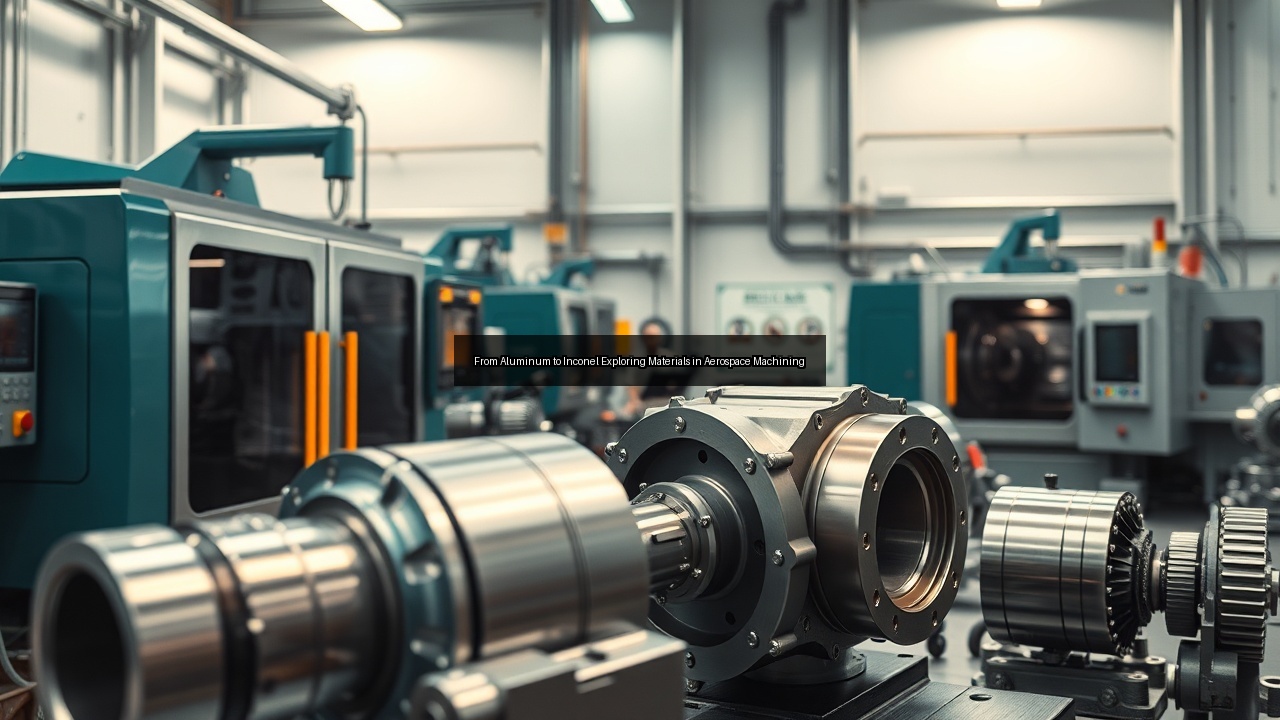
Understanding Aerospace Materials
Overview of Materials Used in Aerospace
Aerospace manufacturing relies on a diverse range of materials to meet the rigorous demands of flight. Manufacturers select materials based on criteria such as weight, strength, durability, and resistance to extreme temperatures. Common metals include aluminum, titanium, and Inconel, each offering unique properties suitable for different components. Aluminum, known for its lightweight and corrosion-resistant qualities, is a staple in the construction of commercial aircraft. Titanium, with its high strength-to-weight ratio, suits engine components that endure intense heat and stress. Inconel, a nickel-chromium alloy, excels in high-temperature applications, making it vital for engine parts and exhaust systems. Understanding these materials' characteristics is essential for aerospace machining services, ensuring that components can withstand the challenges of flight.
Properties of Aluminum in Aerospace Machining
Aluminum remains a preferred choice in aerospace machining due to its favorable properties. It combines lightweight characteristics with significant strength, making it ideal for structures that need to minimize weight while maintaining integrity. The aluminum alloys used in aerospace applications often contain elements like copper, magnesium, and zinc, enhancing their mechanical properties and making them suitable for various aircraft components. The ease of machining aluminum allows for precision manufacturing, which is critical in producing parts that meet strict tolerances. Furthermore, aluminum's excellent corrosion resistance contributes to the longevity of aircraft, reducing maintenance costs and improving overall performance. As aerospace manufacturers continue to seek efficiency, aluminum plays a pivotal role in delivering effective solutions in aircraft design and production.
The Role of Inconel and Titanium in Engine Manufacturing
Inconel and titanium are indispensable in aerospace engine manufacturing due to their exceptional properties under extreme conditions. Inconel, known for its oxidation resistance and ability to withstand high temperatures, is a go-to material for turbine components. Its ability to maintain strength and stability in the face of thermal cycling makes it ideal for jet engines, where operational temperatures can soar. Titanium, on the other hand, is favored for its high strength-to-weight ratio and resistance to fatigue. These properties make titanium an excellent choice for critical aerospace components such as compressor blades and structural elements within engines. The combination of these advanced materials enhances engine performance, improves fuel efficiency, and contributes to safety, highlighting their essential role in aerospace machining.
Machining Processes in Aerospace Manufacturing
CNC Machining: Precision and Efficiency
CNC machining revolutionizes aerospace manufacturing by providing unparalleled precision and efficiency. Computer Numerical Control (CNC) machines automate the machining process, allowing for complex geometries and intricate designs to be executed with remarkable accuracy. This technology reduces human error and enhances repeatability, crucial for producing parts that adhere to strict aerospace tolerances. CNC machining is particularly beneficial for creating components from high-strength materials like titanium and Inconel, where traditional machining methods may fall short. The automation involved in CNC also streamlines production, enabling manufacturers to meet tight deadlines while maintaining stringent quality control standards. As the demand for faster and more efficient aerospace parts grows, CNC machining remains at the forefront of aerospace machining services.
Quality Control Measures in Aerospace Machining
Quality control in aerospace machining is non-negotiable. It ensures that every component meets the exact specifications required for safety and performance. Manufacturers implement rigorous quality assurance protocols, often employing advanced techniques such as Coordinate Measuring Machines (CMM) to verify dimensions and tolerances. Continuous monitoring throughout the machining process helps identify potential issues before they escalate. Additionally, adherence to ISO standards and certifications like AS9100 is essential for maintaining high-quality benchmarks in aerospace manufacturing. These certifications demonstrate a commitment to quality management and operational excellence, crucial for suppliers aiming to serve the aerospace sector. By prioritizing quality control, manufacturers can produce reliable aerospace parts that contribute to safe and efficient flight.
The Importance of Tolerances in Aerospace Parts
Tolerances play a critical role in aerospace machining, dictating the allowable variations in dimensions for components. These specifications ensure that parts fit precisely and function correctly within the larger assembly of an aircraft. The aerospace industry often demands tighter tolerances than other sectors due to the safety implications associated with flight. Even minor deviations can lead to catastrophic failures, making it essential for manufacturers to establish and adhere to stringent tolerances. Advanced machining techniques, such as CNC, have significantly improved the ability to meet these exacting standards. Furthermore, effective management of tolerances throughout the design and manufacturing process enhances the overall reliability of aerospace parts, ensuring they perform as intended under the stresses of flight.
Navigating the Aerospace Supply Chain
The Role of Suppliers in Aerospace Manufacturing
Suppliers play a pivotal role in aerospace manufacturing, providing essential materials, components, and services. This complex supply chain often includes numerous tiers of suppliers, each contributing to the final product. Aerospace OEMs (Original Equipment Manufacturers) rely on these suppliers for high-quality metals like aluminum, titanium, and Inconel to meet their production needs. Establishing strong relationships with reliable suppliers enhances efficiency and reduces risks associated with material shortages or quality issues. Furthermore, ongoing collaboration between OEMs and suppliers fosters innovation in materials and manufacturing processes, contributing to advancements in aerospace technology. As the industry evolves, effective navigation of the aerospace supply chain becomes crucial for maintaining competitiveness and ensuring timely delivery of high-quality aerospace parts.
Managing Risks in the Global Supply Chain
Managing risks in the global aerospace supply chain is essential for maintaining operational continuity and ensuring the timely delivery of components. Factors such as geopolitical instability, natural disasters, and economic fluctuations can disrupt supply chains, leading to delays and increased costs. Aerospace manufacturers must implement robust risk management strategies to mitigate these challenges. Techniques such as diversifying suppliers, maintaining safety stock, and employing just-in-time inventory practices can help minimize disruptions. Additionally, leveraging technology for supply chain visibility allows manufacturers to respond quickly to emerging risks. Effective risk management not only protects the supply chain but also enhances overall resilience, ensuring that aerospace machining services remain reliable and efficient.
Certifications and Compliance: AS9100 and ITAR
Certifications and compliance with industry standards are critical in aerospace manufacturing. AS9100, a widely recognized quality management standard for the aerospace sector, ensures that manufacturers adhere to stringent quality and safety requirements. Achieving AS9100 certification demonstrates a commitment to continuous improvement and customer satisfaction. Additionally, compliance with ITAR (International Traffic in Arms Regulations) is vital for manufacturers involved in defense-related aerospace projects. ITAR regulates the export and import of defense-related articles and services, ensuring that sensitive technologies remain secure. By prioritizing these certifications, aerospace manufacturers enhance their credibility, build trust with clients, and position themselves as leaders in the competitive aerospace machining landscape.
Innovation and Leadership in Aerospace Machining
The Impact of Coatings on Aerospace Components
Coatings significantly enhance the performance and longevity of aerospace components. Advanced coatings can improve wear resistance, reduce friction, and provide thermal protection, extending the lifespan of critical parts. For instance, thermal barrier coatings (TBCs) applied to turbine blades help manage extreme heat, enabling engines to operate at higher efficiencies. Other coatings, such as anodizing for aluminum and passivation for stainless steel, enhance corrosion resistance, which is crucial for aircraft exposed to harsh environments. The development of innovative coating technologies continues to advance, driving improvements in the durability and efficiency of aerospace components. As the industry pushes for higher performance, the role of coatings in aerospace machining services becomes increasingly vital.
Outsourcing vs. In-House Machining: Pros and Cons
The decision to outsource machining or keep it in-house presents a strategic dilemma for aerospace manufacturers. Outsourcing machining services can offer cost savings and access to specialized expertise, especially for complex components that require advanced technology. It allows manufacturers to scale operations quickly without the overhead of maintaining extensive in-house capabilities. However, outsourcing also introduces risks, such as potential quality control issues and communication challenges. On the other hand, in-house machining provides greater control over the manufacturing process and quality assurance but often requires significant investment in equipment and skilled labor. Evaluating the benefits and drawbacks of each approach is crucial for aerospace companies seeking to optimize their machining capabilities and maintain competitive advantages in the market.
Future Trends in Aerospace Machining Services
Aerospace machining services are poised for significant advancements in the coming years, driven by technological innovation and evolving industry demands. Automation and artificial intelligence (AI) are beginning to reshape machining processes, increasing efficiency and precision. Additive manufacturing, or 3D printing, is also making inroads into aerospace, allowing for the creation of complex geometries that traditional methods struggle to achieve. These technologies can reduce material waste and lead aerospace cnc to faster prototyping and production times. Additionally, the push for sustainability encourages the aerospace sector to adopt greener practices, such as using eco-friendly materials and reducing energy consumption. As these trends continue to develop, aerospace machining services will evolve, leading to greater efficiency, quality, and innovation in the industry.