The Advantages of Using Nitrogen in Hydrostatic Pressure Testing
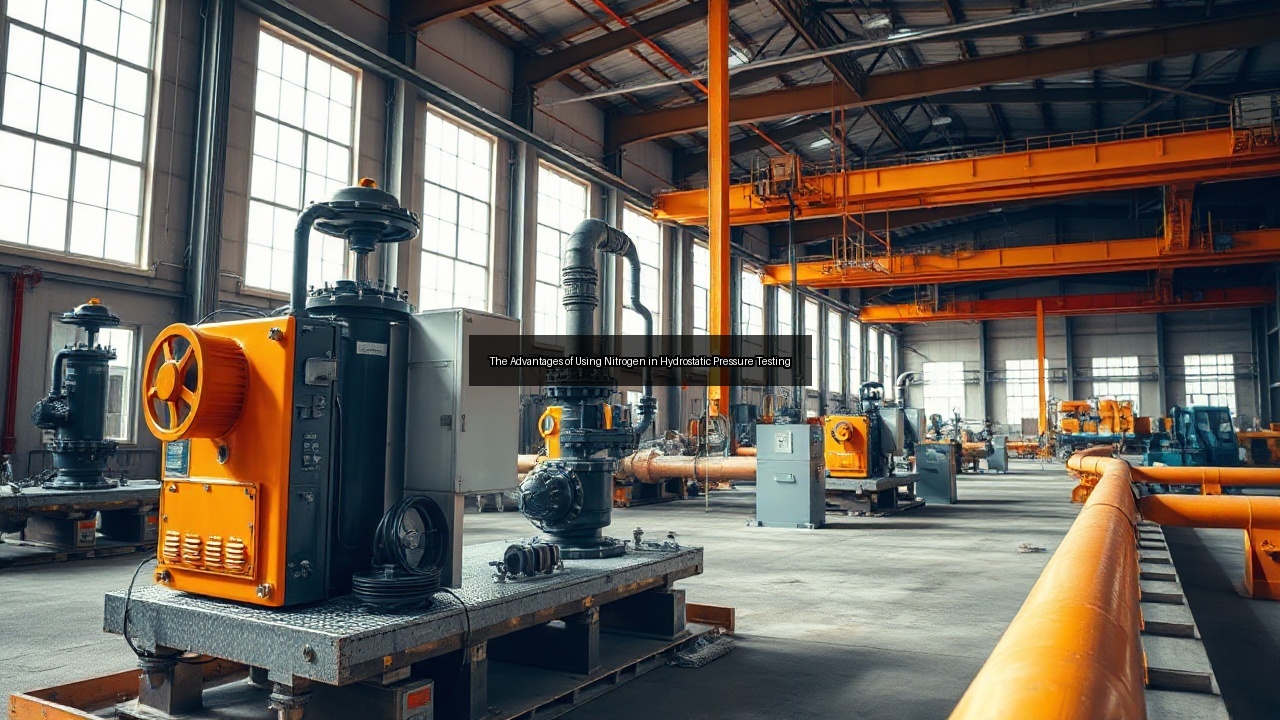
Understanding Hydrostatic Pressure Testing and Its Importance
What is Hydrostatic Pressure Testing?
Hydrostatic pressure testing involves filling a vessel, pipeline, or component with a liquid, typically water, to a specified pressure level and holding that pressure for a designated period. This method evaluates the integrity and leak-tightness of the system under stress, ensuring that it meets safety and operational standards. The process is crucial for identifying weaknesses or defects that could lead to failures in service. Hydrostatic testing is commonly employed in various industries, especially oil and gas, construction, and aerospace, where the reliability of pipelines and vessels is paramount. Companies specializing in hydrostatic testing ensure that the systems they evaluate can withstand operational pressures while maintaining safety. The validity of hydrostatic testing results is vital for regulatory compliance and operational reliability.
Key Applications in the Oil and Gas Industry
The oil and gas industry relies heavily on hydrostatic pressure testing to ensure the safety and integrity of pipelines and storage tanks. These systems transport hazardous substances, making rigorous testing essential to prevent leaks and potential environmental disasters. Hydrostatic testing verifies that pipelines can handle the pressure of the gases and liquids they carry, which is crucial for operational efficiency and safety. Additionally, testing helps maintain compliance with industry regulations and standards, including those set by organizations like the American Society of Mechanical Engineers (ASME) and the American Petroleum Institute (API). By utilizing hydrostatic pressure testing, companies in the oil and gas sector can mitigate risks associated with pipeline failures, ensuring the safe transportation of oil and gas products.
The Role of Hydrostatic Testing Companies
Hydrostatic testing companies play a critical role in maintaining the safety and reliability of pipelines and pressure vessels. These specialized firms provide expert services that include the setup, execution, and analysis of hydrostatic tests. They employ advanced equipment and techniques to ensure accurate pressure measurements and assessments. A reputable hydrostatic testing company will have trained personnel who understand the complexities of pressure testing, regulatory compliance, and safety protocols. Their expertise is invaluable in identifying potential issues before they escalate into costly failures. By partnering with skilled hydrostatic testing firms, industries can enhance their risk management strategies, ensuring that their systems remain operational and compliant.
The Benefits of Using Nitrogen in Hydrostatic Pressure Testing
Enhanced Safety Measures in Testing
Using nitrogen for hydrostatic pressure testing significantly enhances safety measures compared to traditional liquid testing methods. Nitrogen, an inert gas, minimizes the risk of chemical reactions or contamination. Unlike water or other fluids, nitrogen does not promote corrosion or introduce foreign substances into the system being tested. In the event of a leak or rupture, nitrogen disperses quickly into the atmosphere, reducing the chances hydrostatic pressure testing companies of hazardous spills or pressure-related accidents. This characteristic makes nitrogen an ideal choice for testing systems that carry flammable or toxic substances, as it mitigates the potential for dangerous situations. Incorporating nitrogen into hydrostatic testing protocols aligns with modern safety standards, providing peace of mind to operators and stakeholders.
Nitrogen vs. Traditional Fluids: A Comparative Analysis
Nitrogen offers several advantages over traditional testing fluids like water or oil in hydrostatic pressure testing. First, nitrogen eliminates the need for extensive cleanup processes associated with liquid testing. After a test, any residual fluid can complicate operations and increase costs. Conversely, nitrogen testing leaves no residue, streamlining post-test procedures. Second, nitrogen testing reduces the risk of freezing, which can be a concern when using water in cold environments. Additionally, nitrogen’s compressibility allows for more precise pressure control, providing more accurate test results. When hydrostatic testing companies adopt nitrogen-based methods, they leverage these benefits to enhance efficiency and reliability in their testing processes.
Impact on Pipeline and Equipment Longevity
Utilizing nitrogen in hydrostatic pressure testing positively influences the longevity of pipelines and equipment. Traditional liquids can cause corrosion, especially when moisture is present, leading to premature degradation of materials. In contrast, nitrogen’s inert properties prevent such chemical reactions, preserving the integrity of the tested systems. Over time, this approach contributes to reduced maintenance costs and enhanced operational lifespans for pipelines and pressure vessels. Industries benefit from fewer incidents of failure due to corrosion-related issues, which can lead to costly repairs and downtime. By adopting nitrogen as a testing medium, companies can ensure that their assets remain in optimal condition for longer periods, aligning with maintenance and management best practices.
Industry Applications of Nitrogen in Hydrostatic Testing
Use in Construction and Energy Sectors
The construction and energy sectors have embraced nitrogen in hydrostatic pressure testing to enhance safety and efficiency. Construction projects often involve complex piping systems that require rigorous testing to meet safety regulations. Nitrogen’s non-corrosive nature ensures that newly installed pipelines and vessels maintain their integrity during and after testing. In the energy sector, where systems transport high-pressure gases and liquids, nitrogen testing provides an added layer of safety. Companies performing hydrostatic testing in these industries see decreased risks of leaks and failures, leading to smoother project execution and compliance with regulatory standards. The adoption of nitrogen for hydro testing aligns with the industry's push for sustainable and safe operational practices.
Aerospace Applications: Ensuring Safety and Compliance
Aerospace applications demand the highest safety and companies doing hydrostatic pressure tests compliance standards, making nitrogen an ideal choice for hydrostatic testing in this field. Aircraft components, fuel systems, and hydraulic systems undergo rigorous testing to ensure they can withstand extreme pressures and operational conditions. Nitrogen's properties help maintain the functionality and safety of these critical systems. By using nitrogen, aerospace companies can prevent contamination and corrosion, which can compromise the integrity of sensitive components. The aerospace industry benefits from the precision and reliability that nitrogen provides in hydrostatic pressure testing, ensuring that all systems meet stringent safety certifications. This rigorous validation process is essential for maintaining public hydrostatic pressure test company trust in air travel.
Integration with Pneumatic and Mechanical Testing
Nitrogen’s versatility extends beyond hydrostatic pressure testing, integrating seamlessly with pneumatic and mechanical testing processes. In pneumatic testing, nitrogen serves as a testing medium to assess the integrity of pressure systems without introducing moisture, which can hydrostatic pressure testing companies cause damage over time. Mechanical testing also benefits from nitrogen, as it can simulate conditions that components may face during actual operation. This integration provides a comprehensive testing approach, ensuring that systems are validated under various conditions. Companies that specialize in hydrostatic testing can offer clients a full suite of testing services, enhancing their value proposition. The combination of nitrogen with other testing methods underscores the importance of adopting modern technologies for optimal performance evaluation.
Choosing the Right Hydrostatic Testing Company
Criteria for Selecting a Hydrostatic Testing Firm
Selecting the right hydrostatic testing company is paramount for ensuring safety and compliance. Companies should consider several criteria when making their choice. First, look for a firm with a proven track record in hydrostatic testing, particularly in your specific industry. Experience ensures familiarity with the unique challenges and standards that your project may present. Additionally, assess the company’s certifications and accreditations, which validate their adherence to industry standards. Client testimonials and case studies can provide insight into the company’s performance and reliability, helping you make an informed decision. A strong reputation in the market often correlates with the quality of services offered, ensuring that your hydrostatic testing is conducted with the utmost professionalism and expertise.
Evaluating Expertise in Nitrogen-Based Testing
When evaluating hydrostatic testing companies, expertise in nitrogen-based testing should be a key consideration. Not all firms have the same level of experience with nitrogen as a testing medium. Inquire about the company’s training programs and the qualifications of their personnel. Experienced technicians should understand the nuances of using nitrogen, including pressure control and safety measures specific to gas testing. Additionally, ask about the equipment they use for nitrogen testing. Advanced equipment ensures accuracy and efficiency in testing, leading to reliable results. A company that prioritizes nitrogen expertise will likely be better positioned to deliver safe and effective hydrostatic pressure testing solutions.
The Future of Hydrostatic Testing in Various Industries
The future of hydrostatic testing promises exciting developments, particularly with the increased adoption of nitrogen. As industries continue to prioritize safety and sustainability, the shift towards nitrogen-based testing will likely accelerate. Innovations in testing technologies and methodologies will enhance the efficiency and reliability of hydrostatic pressure testing. Companies in sectors like oil and gas, aerospace, construction, and energy will increasingly seek out hydrostatic testing firms that specialize in nitrogen to comply with evolving regulations and safety standards. The emphasis on environmental responsibility will further drive the adoption of nitrogen as a testing medium, as it minimizes the risks associated with traditional fluids. Overall, the future of hydrostatic testing will focus on enhancing safety, reliability, and efficiency, ensuring that industries can operate with confidence.