Socket Weld Fittings Explained for Improved Pipeline Integrity
Understanding Socket Weld Fittings
What are Socket Weld Fittings?
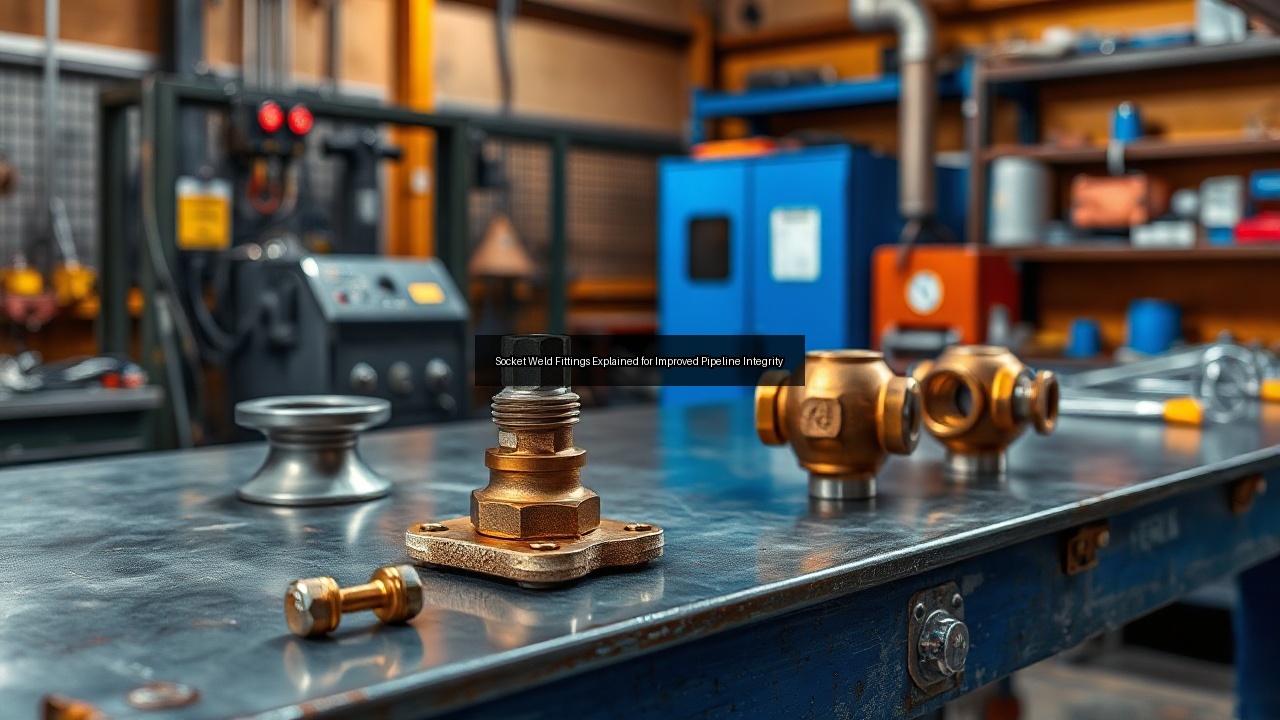
Socket weld fittings create permanent joints by slipping pipe ends into recessed sockets before applying fillet welds around the circumference. This design suits smaller diameter steel pipe runs where operators need reliable seals without complex beveling. Weld fitting installations deliver high integrity under moderate pressure while resisting vibration better than threaded alternatives. Pipe fittings of this type eliminate leak paths common in flange connections and support rapid assembly in confined spaces. Fabricators often choose them for tubing systems that carry fluids or gases at elevated temperature levels.
The socket weld method originated in the mid-20th century as a practical solution for high-pressure, small-bore piping where butt welding proved overly labor-intensive. By inserting the pipe into a precisely machined socket, the fitting provides inherent alignment and support during welding, reducing the risk of misalignment that can occur with open-root joints. This configuration also creates a smooth internal transition that minimizes turbulence and erosion in fluid flow applications, making it ideal for steam, hydraulic oil, and chemical process lines.
Operators value socket weld fittings for their ability to accommodate thermal expansion and contraction without compromising seal integrity. The fillet weld geometry distributes stress evenly around the pipe circumference, offering superior fatigue resistance in pulsating flow environments such as pump discharge lines. In addition, the absence of threads eliminates crevice corrosion sites, extending service life in mildly corrosive environments compared with threaded connections.
Types of Socket Weld Fittings
Manufacturers produce socket weld elbows, pipe tee connectors, reducers, and pipe cap closures in standard configurations. Each type maintains the same insertion depth and weld bead geometry for consistent strength. Carbon steel weld fitting options dominate because they combine toughness with weldability across most industrial grades. Operators also specify stainless or alloy versions when corrosion resistance matters. These fittings cover nominal sizes from 1/8 inch through 4 inches, matching common pipe dimensions exactly.
Elbows are available in 45° and 90° angles, while tees come in equal and reducing configurations to accommodate branch connections. Reducers transition between different pipe diameters within the socket weld family, preserving the same weld preparation and insertion requirements. Caps provide permanent or temporary closures for dead-end lines, and couplings allow straight-through connections when longer pipe runs must be joined without flanges.
Specialty variants include socket weld crosses for complex manifold layouts and reducing bushings that adapt existing socket weld systems to smaller instrumentation tubing. All configurations conform to pressure classes of 3000, 6000, and 9000 psi, enabling engineers to select the appropriate wall thickness and weld size for the intended service conditions.
Benefits of Using Socket Weld Fittings
Socket weld fittings reduce installation time compared with butt weld fitting methods because they require less edge preparation. The resulting welds resist fatigue cracking in vibrating lines and maintain pressure integrity even after repeated thermal cycles. Weld fitting joints also simplify alignment during fabrication since the socket guides the pipe into position. Maintenance crews appreciate the compact profile that fits inside tight manifolds or valve clusters without adding excessive weight.
Another key advantage lies in their tolerance to minor pipe ovality and out-of-round conditions, as the socket provides a forgiving fit-up that still achieves full weld penetration when proper procedures are followed. This characteristic proves especially valuable during field repairs where pipe ends may have suffered mechanical damage. Furthermore, the compact external dimensions reduce the overall envelope of piping assemblies, allowing denser equipment layouts in modular skid fabrication.
Key Considerations for Socket Weld Fittings in Pipeline Integrity
Material Selection: Carbon Steel vs. Other Options
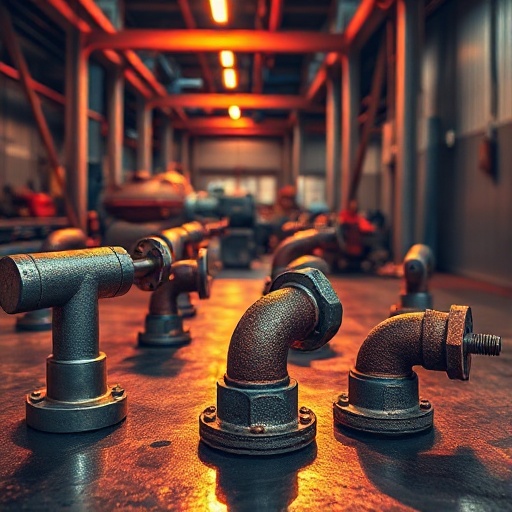
Carbon steel remains the default choice for socket weld fittings in general service because it offers excellent weldability and mechanical strength at reasonable cost. When lines encounter aggressive media, operators upgrade to stainless or duplex grades that resist pitting. Alloy weld fitting materials handle higher temperature exposure without losing ductility. Material traceability documents ensure each heat number matches project specifications and prevents mixing incompatible grades during construction.
Carbon steel fittings typically meet ASTM A105 or A350 specifications, providing reliable performance from -20 °F to 800 °F. Stainless steel options such as 304L and 316L extend corrosion resistance in chloride-bearing fluids, while duplex grades offer enhanced strength and resistance to stress corrosion cracking. For sour service environments, fittings manufactured to NACE MR0175/ISO 15156 requirements undergo hardness testing to prevent sulfide stress cracking.
Impact of Temperature and Pressure on Weld Fittings
Socket weld fittings perform reliably within published pressure-temperature ratings that account for material creep and thermal expansion. Elevated temperature reduces allowable pressure, so engineers derate the system accordingly. Sudden pressure spikes can concentrate stress at the weld toe, making proper bead contour essential. Regular inspection intervals become critical once operating conditions approach the upper limits of the fitting material.
At temperatures above 750 °F, carbon steel experiences graphitization that can embrittle the heat-affected zone, prompting selection of chromium-molybdenum alloys. Cyclic thermal loading further necessitates evaluation of fatigue life using ASME B31.3 Appendix F methods. Pressure derating factors are applied systematically—for example, a Class 3000 fitting rated at 3000 psi at ambient temperature may be limited to 2000 psi at 800 °F depending on material grade.
Dimensional Standards for Socket Weld Fittings
Industry standards such as ASME B16.11 define socket depth, bore diameter, and wall thickness for every nominal size. These dimensions guarantee interchangeability between manufacturers and maintain consistent weld gaps. Deviations in cone angle or socket radius can create stress risers that shorten service life. Quality control teams verify all incoming fittings against these tolerances before welding begins.
ASME B16.11 specifies minimum socket depths ranging from 0.25 inches for 1/8-inch NPS to 0.75 inches for 4-inch NPS, along with bore tolerances that ensure a 1/16-inch gap at the pipe end. Additional requirements in MSS SP-79 cover integrally reinforced forged branch outlet fittings, while API 6A addresses higher-pressure applications in wellhead and Christmas tree assemblies. Incoming inspection typically includes micrometer checks of socket depth and bore diameter plus visual examination for surface defects.
Installation and Welding Techniques for Socket Weld Fittings
Preparation of Pipes and Fittings for Welding
Crews clean pipe ends and fitting sockets to remove mill scale, oil, and moisture that cause porosity in the finished weld. They maintain a precise 1/16-inch gap between pipe end and socket bottom to allow expansion during welding. Proper beveling on the pipe exterior helps achieve full penetration without excessive filler metal. Accurate cutting and facing ensure square alignment that prevents misalignment in the final assembly.
Best practice includes solvent cleaning followed by wire brushing or grinding to achieve a bright metal surface free of oxides. The 1/16-inch gap is verified with a feeler gauge before tack welding, and pipe ends are often chamfered at 15–30° to facilitate root fusion. Square cuts are confirmed with a precision square, and any out-of-square conditions are corrected by facing or refitting to maintain weld quality.
Welding Techniques: Best Practices
Welders use GTAW or SMAW processes for socket weld fittings, depositing multiple passes to build adequate throat thickness. They maintain consistent travel speed and torch angle to avoid undercut at the weld toe. Interpass temperature control prevents cracking in thicker sections. Post-weld heat treatment may follow when codes require stress relief on carbon steel weld fitting joints.
GTAW provides superior control for root passes on stainless and alloy materials, while SMAW remains economical for carbon steel in field environments. Typical weld sizes equal the pipe wall thickness, with a minimum leg length of 1.09 times the nominal wall. Interpass temperatures are limited to 500 °F for carbon steel and 350 °F for stainless grades to avoid sensitization. When PWHT is required, temperatures of 1100–1200 °F are held for one hour per inch of thickness.
Common Challenges in Welding Socket Weld Fittings
Incomplete fusion at the root remains the most frequent defect because the socket hides the weld interface from direct inspection. Excessive heat input can distort thin-wall tubing and create gaps that compromise pressure containment. Porosity from contaminated surfaces weakens the joint and invites leaks under cyclic loading. Skilled welders address these issues through proper technique and fit-up verification before striking the arc.
Radiographic or ultrasonic examination can detect lack of fusion, but many operators rely on visual inspection supplemented by dye penetrant testing of the weld toe. Distortion is minimized by using low-heat-input procedures and balanced welding sequences around the circumference. Preheating to 200–300 °F helps reduce hydrogen cracking in thicker carbon steel sections, while proper shielding gas coverage prevents porosity in GTAW applications.
Cost Analysis and Economic Impact of Socket Weld Fittings
Comparative Costs: Socket Weld vs. Butt Weld Fittings
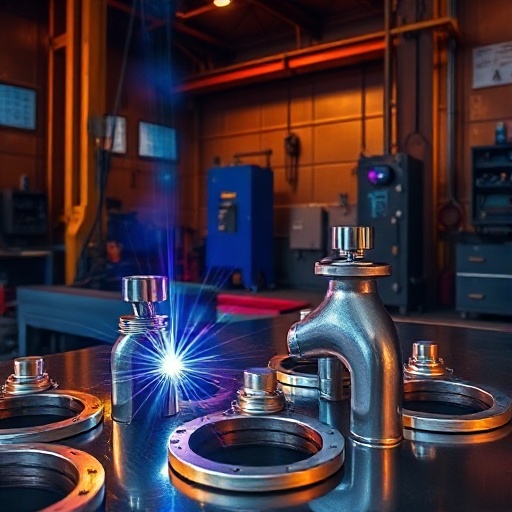
Socket weld fittings generally cost less per unit than equivalent butt weld fitting components because they require simpler machining. Labor savings arise from reduced beveling and alignment time during installation. However, butt weld joints sometimes prove cheaper in very large diameters where socket designs become impractical. Project managers compare total installed cost rather than material price alone when selecting between the two methods.
For 2-inch NPS carbon steel pipe, socket weld fittings typically cost 15–25 % less than butt weld equivalents, with installation time reduced by approximately 30 %. In diameters above 4 inches, however, butt weld fittings become more economical due to lower material cost per joint and the availability of automated welding equipment. Life-cycle analysis should also consider inspection costs, as socket welds may require additional volumetric examination in critical services.
Long-Term Savings from Improved Pipeline Integrity
Leak-free socket weld fitting systems lower downtime expenses and reduce product loss in continuous processes. Fewer flange connections mean less maintenance on gaskets and bolts over the asset life. Enhanced weld integrity also decreases the frequency of hydrotesting and repair campaigns. Operators recover the initial investment through extended service intervals and improved safety records.
Facilities that standardize on socket weld fittings for small-bore piping report 40–60 % reductions in leak-related maintenance events over a ten-year period. The elimination of threaded joints further reduces fugitive emissions, supporting environmental compliance and avoiding potential regulatory fines. Insurance providers often recognize improved integrity with lower premiums for facilities demonstrating robust welding programs.
Factors Influencing the Cost of Welded Fittings
Raw material grade, diameter, and pressure rating drive the base price of socket weld fittings. Welding procedure qualification, nondestructive examination, and documentation add further expense on critical lines. Regional labor rates and shop versus field fabrication influence overall project economics. Volume purchasing agreements often secure discounts that improve the final cost per joint.
Alloy fittings can cost three to five times more than carbon steel equivalents, while duplex and nickel alloy grades command even higher premiums. Shop fabrication offers controlled environments that reduce welder time by 20–30 %, but field welding remains necessary for tie-ins and modifications. Long-term contracts with qualified suppliers frequently include price indexing clauses that stabilize budgeting across multi-year projects.
Applications and Use Cases of Socket Weld Fittings
Socket Weld Fittings in Oil and Gas Industry
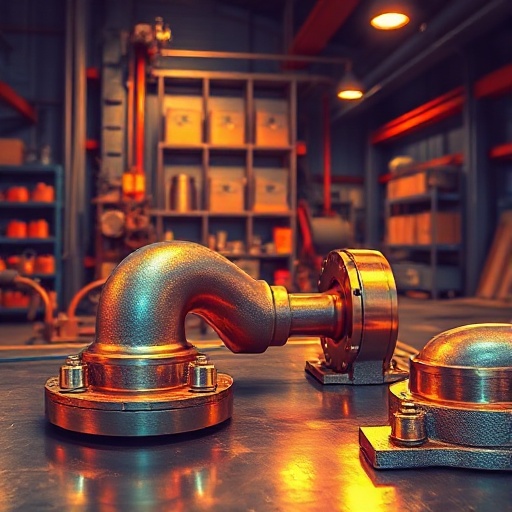
Oil and gas facilities rely on socket weld fittings for instrument lines, drain connections, and small-bore process piping. These joints withstand the vibration and thermal cycling typical of compressor stations and wellhead manifolds. Carbon steel weld fitting assemblies handle sweet and sour service when properly selected and inspected. Their compact size suits offshore platforms where space and weight constraints matter.
On offshore platforms, socket weld fittings support hydraulic control lines and chemical injection systems where weight reduction directly improves payload capacity. In refineries, they appear extensively in flare header drains and sampling connections, providing reliable service under cyclic thermal loads. Proper material selection and welding procedures ensure compliance with API 570 piping inspection codes throughout the asset lifecycle.
Usage in High-Pressure Systems
High-pressure hydraulic and steam lines benefit from the robust fillet welds that socket weld fittings provide. The design concentrates strength at the joint without requiring thick flanges. Operators specify these fittings up to 6000 psi ratings when pipe diameter stays within the 4-inch limit. Proper weld examination ensures the system meets code requirements for lethal service or toxic fluids.
Power generation plants employ Class 6000 socket weld fittings in boiler feedwater recirculation lines and attemperator spray systems. Hydraulic power units in manufacturing facilities use these fittings for 3000–5000 psi circuits where compact, vibration-resistant joints are essential. Code-mandated examinations such as magnetic particle testing of the weld toe provide additional assurance for lethal or toxic service applications.
Advantages of Socket Weld Fittings in Various Pipe Diameters
Socket weld fittings excel in pipe diameters from ½ inch to 2 inches where butt weld preparation becomes cumbersome. They maintain full bore flow characteristics while delivering superior mechanical strength over threaded connections. In larger diameters, fabricators transition to butt weld fitting or flange solutions. The method therefore occupies a practical niche that balances cost, strength, and ease of installation across many industrial systems.
Within the ½- to 2-inch range, socket weld fittings achieve pressure ratings comparable to Schedule 80 and Schedule 160 pipe while requiring only standard fillet weld sizes. Threaded alternatives suffer from reduced wall thickness at the thread root and are prone to leakage under vibration. For diameters exceeding 4 inches, the increased weld volume and difficulty of achieving uniform socket engagement make butt weld or flanged connections more practical and economical.
See Also
- Exploring the Dimensions and Diameter of Weld Fittings for Enhanced Safety
- Innovative Solutions for Reducers and Pipe Tees in Modern Welding Projects
- Understanding Weld Fittings for Optimal Pressure Management in Oil and Gas Pipelines
- The Future of Welding Technology and Its Impact on Pipe Fitting Designs